Mastering Meditation: A Comprehensive Guide for Mindful Practice

Introduction
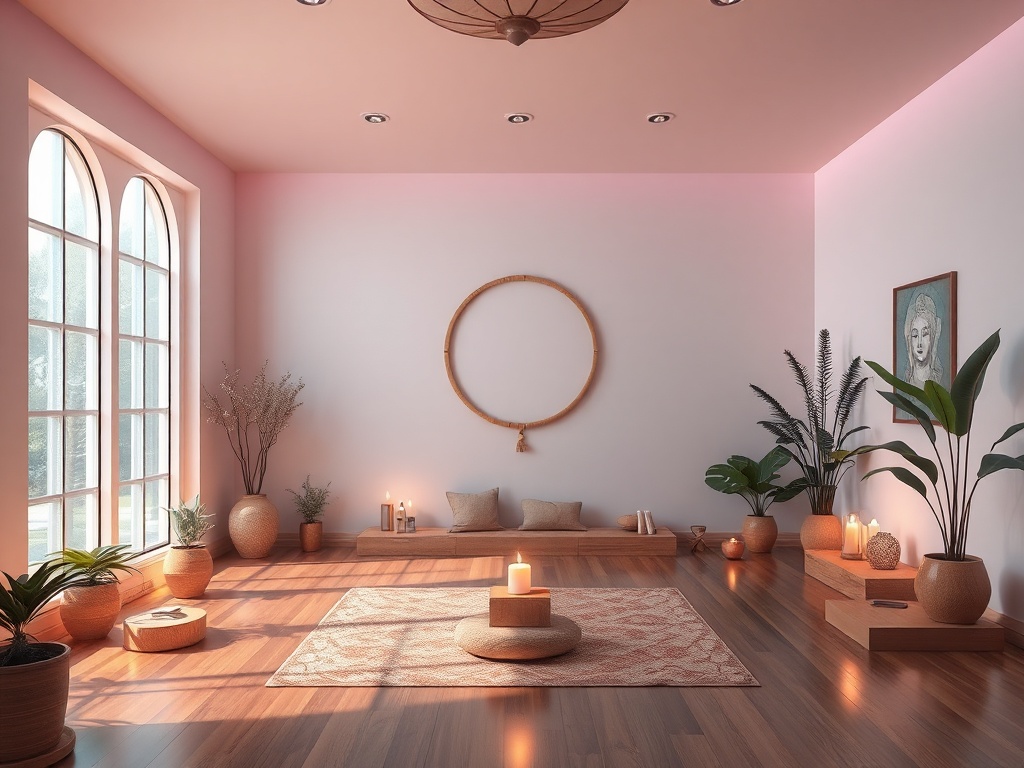
Meditation is a timeless practice that offers profound benefits for both the mind and body. Rooted in mindfulness and awareness, it provides a pathway to relaxation, self-discovery, and emotional healing. In this guide, we'll explore everything you need to know to start and deepen your meditation practice, including techniques, benefits, and tips for consistency.
Understanding Meditation
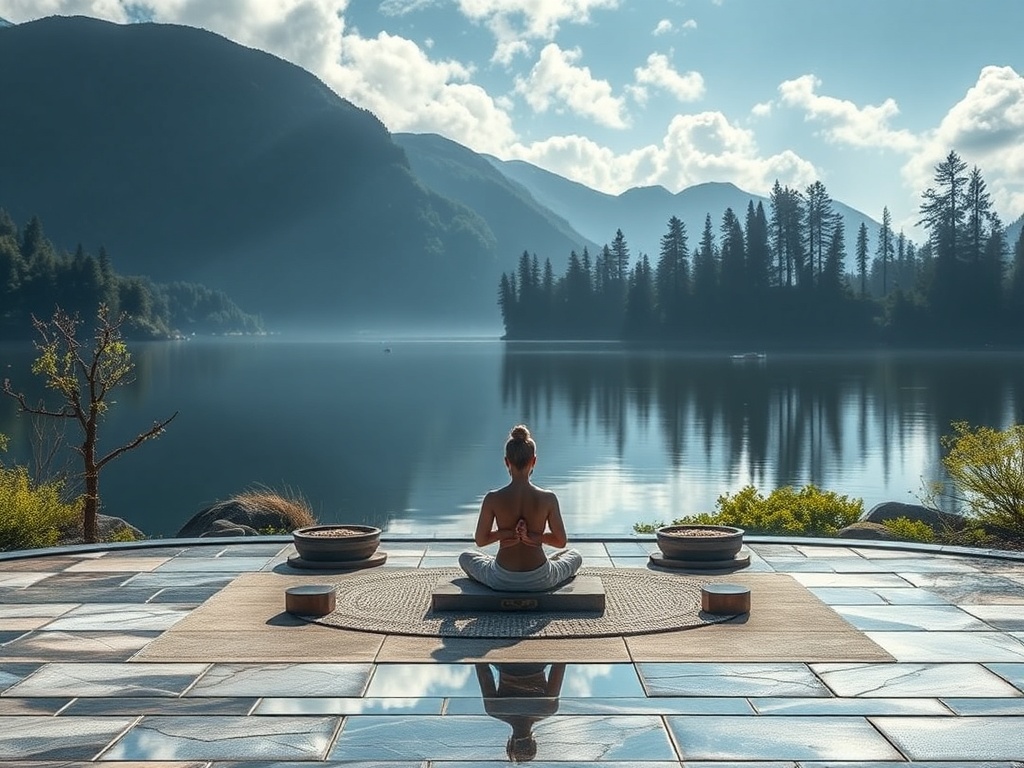
Meditation is the art of focusing the mind, bringing our attention to the present moment. It involves various techniques designed to cultivate mindfulness, reduce stress, and foster a sense of inner peace. While many people associate meditation with relaxation, its deeper purpose is to enhance awareness and encourage mental clarity.
Key Benefits of Meditation
- Stress Reduction: Meditation is proven to lower cortisol levels, helping the body respond to stress in a healthier way.
- Improved Focus: Regular practice trains the brain to concentrate on the present moment, improving productivity and mental clarity.
- Better Sleep: Meditation techniques, particularly mindfulness and deep breathing, can improve sleep quality.
- Emotional Healing: By fostering a non-judgmental awareness of our thoughts, meditation can help process and release emotional pain.
Different Types of Meditation
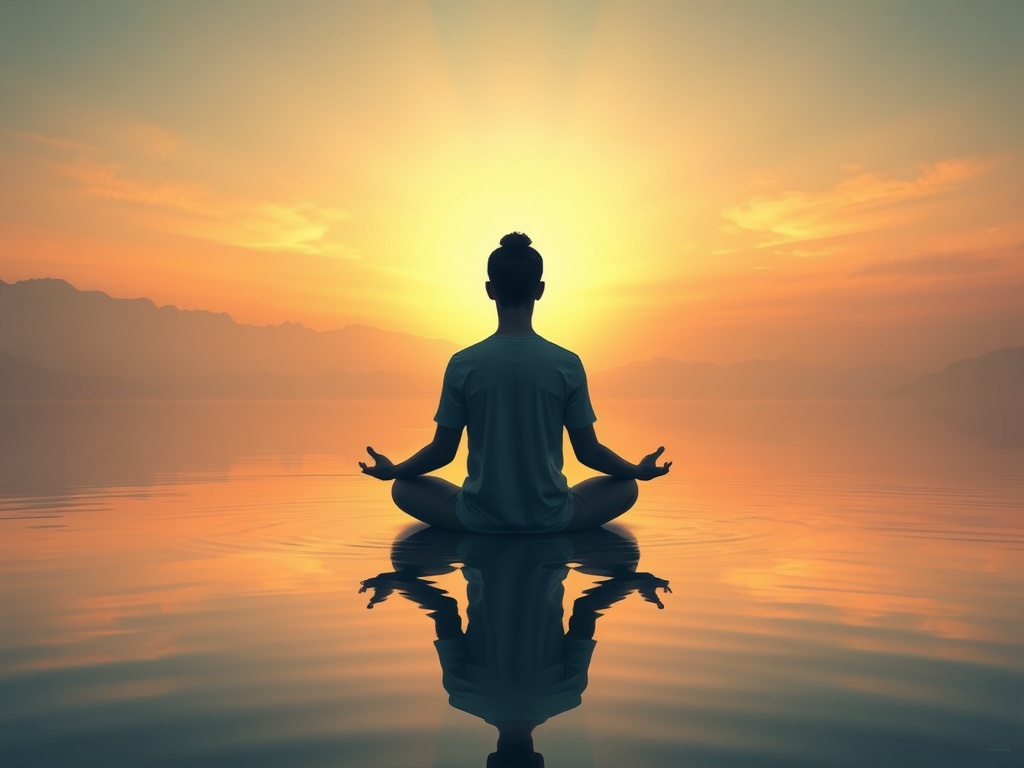
There are several meditation practices, each with its unique focus and approach. Below, we’ll explore the most popular types and how they can enhance your meditation journey.
1. Mindfulness Meditation
Mindfulness meditation is one of the most widely practiced forms. It involves paying attention to the present moment, noticing your thoughts, feelings, and sensations without judgment. This type of meditation can be done anywhere, at any time, and is great for cultivating a state of awareness and acceptance.
2. Transcendental Meditation (TM)
Transcendental Meditation is a mantra-based meditation that involves silently repeating a word or phrase. The goal is to reach a state of restful alertness and inner peace. TM is known for its simplicity and ease of practice.
3. Loving-Kindness Meditation (Metta)
Loving-kindness meditation focuses on developing compassion for oneself and others. It involves silently repeating phrases such as “May I be happy, may I be healthy,” and expanding those wishes to others. This practice can help foster empathy and love, both for yourself and those around you.
How to Start Your Meditation Practice
Starting a meditation practice doesn’t require special equipment or a quiet room (though it helps!). Here’s how you can begin your journey:
1. Find a Comfortable Space
Choose a quiet space where you can sit undisturbed. You can meditate sitting in a chair, on the floor, or even lying down—whatever feels comfortable.
2. Focus on Your Breath
The most common meditation technique is focusing on your breath. As you breathe in and out, pay attention to the sensations of air entering and leaving your body. When your mind starts to wander, gently bring your focus back to your breath.
3. Start Small and Build Gradually
Start with just 5 to 10 minutes a day and gradually increase the duration as you feel comfortable. The goal is consistency, not perfection.
Overcoming Common Meditation Challenges
Many beginners face challenges such as a wandering mind or difficulty sitting still. Here are some tips for overcoming these obstacles:
1. Let Go of Expectations
It's important to approach meditation without any expectations. The goal isn't to achieve perfect stillness or empty your mind, but to cultivate awareness and presence.
2. Use Guided Meditations
If you’re struggling with focus, guided meditations can be incredibly helpful. They provide structure and support, making it easier to stay on track.
3. Be Patient with Yourself
Don’t get frustrated if you find your mind wandering. Gently bring it back to the present moment, and continue with the practice. Remember, meditation is a skill that takes time to develop.
Conclusion
Meditation is a powerful tool for self-growth, mindfulness, and relaxation. Whether you’re looking to reduce stress, improve your mental health, or simply find more peace in your day, meditation offers a simple yet profound path. By starting small and practicing consistently, you can reap the many benefits of a mindful life.